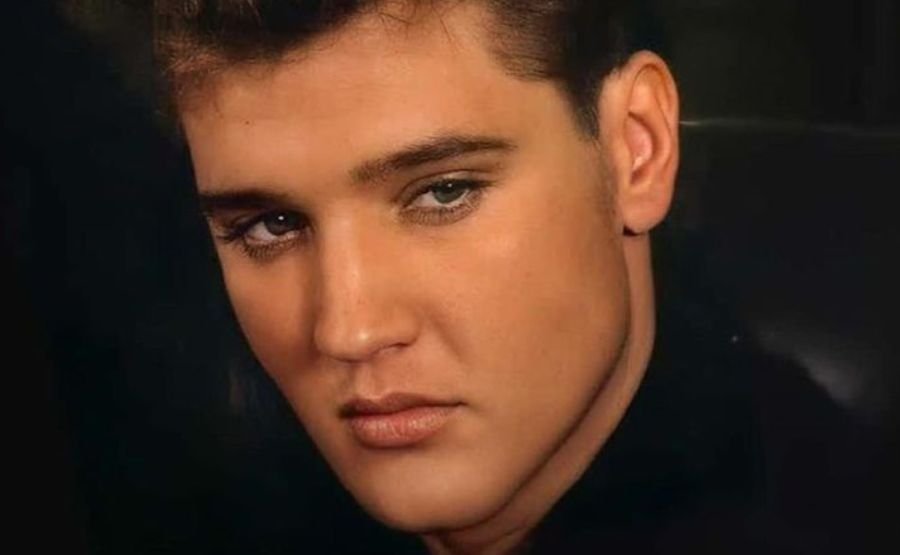
How Did Elvis Presley Die? The Tragic Truth Behind the King’s Final Hours
Quick Bio
| Info | Detail |
| Full Name | Elvis Aaron Presley |
| Date of Birth | January 8, 1935 |
| Place of Birth | Tupelo, Mississippi, USA |
| Date of Death | August 16, 1977 |
| Place of Death | Graceland, Memphis, Tennessee |
| Age at Death | 42 |
| Nationality | American |
| Profession | Singer, Actor, Cultural Icon |
| Official Cause of Death | Cardiac arrhythmia, attributed to hypertensive heart disease with coronary artery disease as a contributing factor |
| Major Achievements | 18 No. 1 hits, three Grammy Awards, the Grammy Lifetime Achievement Award at age 36, more than one billion albums sold globally, and induction into the Rock and Roll, Country Music, and Gospel Music Halls of Fame |
| Spouse | Priscilla Beaulieu Presley (married 1967, divorced 1973) |
| Daughter | Lisa Marie Presley (1968–2023) |
| Estate Value at Death | Approximately $5 million (later grew to hundreds of millions under management) |
The Man, the Myth, and the Question That Never Quite Goes Away
Ask almost anyone over forty how Elvis Presley died and they’ll give you some version of the same answer — something about drugs, something about excess, something about a bathroom at Graceland. The bare facts are widely known: he was forty-two years old, he was found unresponsive, he was gone by the time he reached the hospital. The details behind those bare facts are considerably more complicated, considerably sadder, and considerably more instructive about what happens when fame, pain, bad medicine, and the absence of honest people around you converge over a period of years.
But before death, there was life. And life was extraordinary in a way that still hasn’t been fully absorbed — a kid from a two-room shotgun house in Mississippi who rewired American music so completely that everything after him was different. Not just rock and roll. Country. Gospel. R&B. Pop. The whole landscape of American sound bears his fingerprints. You can’t understand what popular music became without understanding what he started.
His story matters because the beginning and the middle of it are one of the great American stories, and because the end of it is a cautionary tale that turned out not to be cautionary enough. It keeps happening — the same pattern, different names, every generation. Understanding what happened to Elvis means understanding something real about the machinery that builds people up and then fails to notice when they’re disappearing.
See also “Mary Shelley: The Teenager Who Invented Science Fiction and Changed Literature Forever“
Mississippi’s Tupelo: The Two-Room Home Where It All Began
On January 8, 1935, Gladys Love Presley gave birth to twin boys in a two-room shotgun house at 306 Elvis Presley Drive in Tupelo, Mississippi — a house that Elvis’s father, Vernon Presley, had built himself. Jesse Garon Presley, one of the twins, died at birth. Elvis Aaron survived.
The loss of his twin was something Elvis carried quietly his entire life. He often spoke about Jesse in private terms, with a kind of survivor’s sadness that never entirely left him. He grew up as an only child, in a household where his mother focused the full intensity of her love and concern on the son who had lived.
The family was poor. Not struggling-to-get-by poor — genuinely impoverished. Vernon Presley worked whatever jobs he could find, which sometimes wasn’t much. Gladys was the emotional center and driving force of the family, and her bond with Elvis was the deepest relationship of his life. There are credible accounts that she walked him to school until he was embarrassingly old, that they shared a bed for years out of necessity, that the attachment between them was so intense it shaped everything he understood about love.
Tupelo was a small Mississippi city in the Jim Crow South, and the musical world Elvis absorbed as a child was a specific and extraordinary mixture. White country music and gospel on one side. Conversely, blues and black beat. The First Assembly of God church, where the Presley family worshipped, had a performance-oriented approach to gospel that emphasized physical expression, communal energy, and the emotional release of music as spiritual experience. That’s where Elvis first understood what music could do to a room.
Elvis was thirteen when the family relocated to Memphis in 1948. It was the right city at the right moment — a place where the racial and musical worlds were pressing against each other in ways that would eventually produce something entirely new.
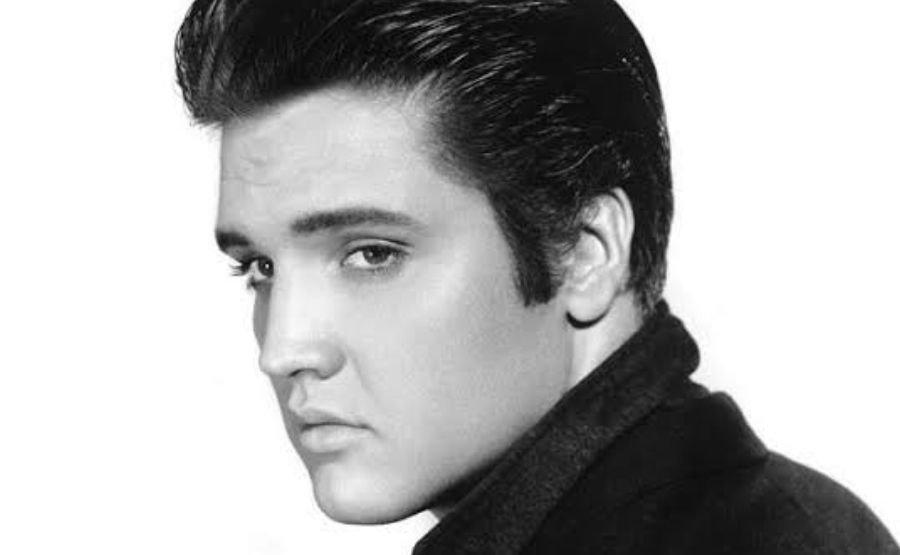
Memphis, Sam Phillips, and the Accidental Revolution
Memphis in the early 1950s was a musical city in the way that only a few American cities have ever been — concentrated talent, concentrated hunger, a record-making infrastructure in Sun Studio at 706 Union Avenue where Sam Phillips was recording Black blues artists with a vision and a patience that most of the industry didn’t share.
Elvis graduated from L.C. Humes High School in 1953 and went to work as a truck driver, which is one of history’s more understated career pivots. He walked into Sun Studio in the summer of 1953 to cut a record for his mother’s birthday — two songs, privately recorded, four dollars. Marion Keisker, Phillips’s assistant, noted something in his voice and kept his name on file.
The rest of the story — the 1954 recording sessions with Scotty Moore and Bill Black, the moment everything clicked on “That’s All Right (Mama),” the first radio play on WHBQ when DJ Dewey Phillips got so many listener calls he played it fourteen times in a row — has been told so many times that the details feel mythological. But they happened. Sam Phillips, who had famously said he could make a million dollars if he found a white man who sang with the soul of a Black man, had found exactly that. The cultural coding of what Elvis represented to a segregated America — Black music in a white body, delivered with a physical charisma that teenage girls in the 1950s had no existing framework for — was something genuinely new.
The explosion was fast. Sun Records led to Colonel Tom Parker, the Dutch-born carnival promoter who would manage Elvis for the rest of his life with a contract that gave Parker an extraordinary fifty percent cut. In 1956, RCA Victor bought Elvis’s contract from Sun for thirty-five thousand dollars — a number that looked astronomical at the time and turned out to be perhaps the worst financial decision in music history for the seller’s side. “Heartbreak Hotel” hit number one within weeks. Everything that followed is legend.
The Career: From Tupelo to the Top of Everything
Between 1956 and 1958, Elvis Presley remade American popular culture. Not metaphorically — literally. He appeared on The Ed Sullivan Show and drew seventy-two percent of the television-viewing audience, a number that has never been approached since. He had five number-one singles in 1956 alone. He was the subject of the first wave of moral panic about rock and roll — ministers denouncing him, television cameras avoiding his hips, parents genuinely frightened about what their daughters’ screaming meant.
He went to Hollywood and made movies — not great movies, mostly, but movies that made money and kept him in front of audiences. Between 1960 and 1969 he made thirty-one films, which sounds like a creative achievement but was really a gilded cage that Colonel Parker preferred to touring because it was easier to control.
The army interrupted the first phase. Elvis was drafted in 1958, served in West Germany, and returned in 1960 to find the music world had shifted underneath him. The Beatles were coming. The British Invasion was coming. The folk music and protest music of the early 1960s were coming. He stayed relevant but not dominant, and the Hollywood decade felt, in retrospect, like a long detour from his actual gift.
Then 1968 happened. The NBC TV special — the one everyone calls the ’68 Comeback Special — was supposed to be a wholesome Christmas show and instead became something electric, a forty-minute demonstration that the original was still in there, still dangerous, still the most compelling performer in popular music when he wanted to be.
The 1969 Las Vegas residency, the 1970s touring, the recordings that still hold up — this was a sustained final chapter that produced real work alongside the excess. “Suspicious Minds.” “In the Ghetto.” “Burning Love.” “Always on My Mind.” These recordings don’t belong to a man who had given up on his career.
Priscilla, Lisa Marie, and the Private Man
Elvis met Priscilla Beaulieu in Germany in 1959, when he was twenty-four and she was fourteen. Their relationship, which resulted in marriage in 1967 after years of keeping Priscilla at Graceland under circumstances that would be viewed very differently today, produced one child: Lisa Marie Presley, born February 1, 1968 — the couple’s only child. The marriage fell apart in 1973, officially dissolved on October 9, 1973, in Santa Monica.
Priscilla was, by most accounts, genuinely in love with him and genuinely transformed by the experience of his world. She built a real career after the divorce — Graceland Enterprises, acting, business. She outlasted him by nearly fifty years, surviving long enough to mourn their daughter Lisa Marie, who died of a heart attack in January 2023 at age fifty-four — the same heart complications that had shadowed her father.
Elvis never fully recovered from the divorce emotionally. Ginger Alden, a twenty-year-old who was with him at Graceland on the day of his death, was his last committed relationship.
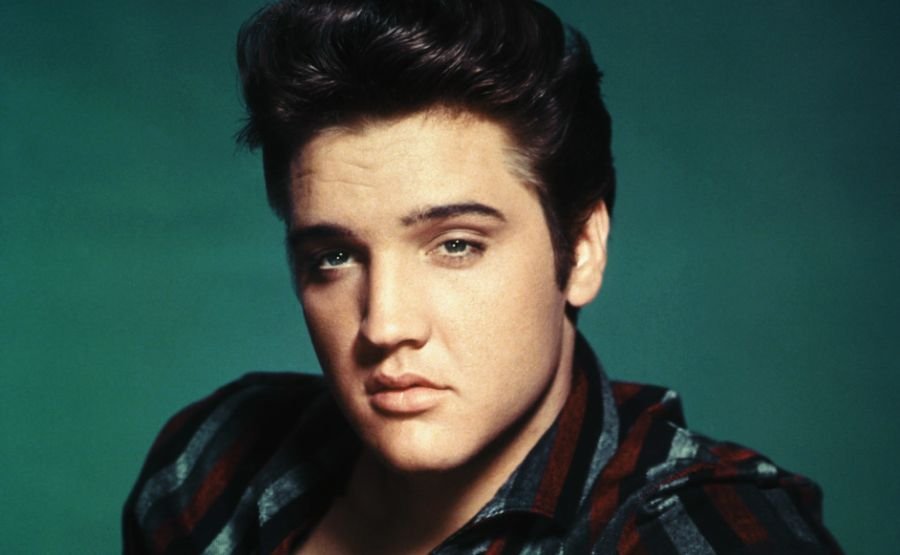
The Descent: How the Last Years Actually Looked
Here’s the part that the soft-focus retrospectives tend to skim over, but which is essential to understanding the death: the final decade of Elvis Presley’s life was a prolonged medical crisis that everyone around him was either too afraid, too financially motivated, or too compromised to address honestly.
Ginger Alden, a twenty-year-old who was with him at Graceland on the day of his death, was his last committed relationship. In the eight months prior to Elvis’s death, Dr. Nick wrote prescriptions for more than ten thousand doses of sedatives, amphetamines, and narcotics. A criminal trial eventually acquitted him of liability. His medical license was later revoked on other grounds. The prescriptions were real.
What Elvis was taking was genuinely staggering. The toxicology report — which took two months to complete and was initially suppressed in its full details — eventually showed fourteen separate drugs in his system at the time of death. Ten times the recommended dosage of codeine. Methaqualone in a toxic amount. Morphine. Meperidine. Ethchlorvynol. Diazepam. Multiple barbiturates. The NIH’s published medical research on the case describes this as “polypharmacy” — a clinical term for the dangerous combination of multiple prescription drugs that interact in ways no single prescription was intended to produce.
His physical condition by 1977 was alarming to anyone who saw it directly. His weight had climbed above 250 pounds. He had been diagnosed with hypertensive heart disease, an enlarged heart, and what some researchers believe may have been a genetic cardiomyopathy condition that thickened the heart muscle walls and made sudden cardiac death increasingly likely regardless of drug use. His colon — severely affected by years of opiate use, which causes extreme constipation — had grown to nearly double the normal diameter and nearly twice the normal length. Just seven weeks before he passed away, on June 26, 1977, in Indianapolis, his final performance revealed a man who was perspiring profusely, slurring words, and laboring through songs he had played hundreds of times.
August 16, 1977: What Actually Happened
Elvis had been awake through the night of August 15–16 and had visited his dentist in the early morning hours. Ginger Alden, his fiancée, was at Graceland. He told her he couldn’t sleep and was going to read in the bathroom. That was the last coherent interaction anyone had with him.
Around 2:30 in the afternoon, Ginger woke up and couldn’t find him. She called out. No answer. She went to the bathroom and found him on the floor, face down, unresponsive. Emergency services were called. The attempts to revive him were unsuccessful. He was pronounced dead at Baptist Memorial Hospital at 3:30 PM Central time on August 16, 1977. He was forty-two years old.
Dr. Jerry Francisco, the Shelby County Medical Examiner, held a press conference and announced that preliminary findings indicated cardiac arrhythmia — a heart that had stopped beating in a normal rhythm. He stated that drugs were not involved. The other pathologists who participated in the autopsy later disputed this characterization. Two months later, the toxicology results came back showing the drug cocktail that has been documented ever since.
The official cause of death, as eventually recorded: cardiac arrhythmia due to hypertensive heart disease, with coronary artery disease as a contributing factor. The Encyclopaedia Britannica’s entry states it simply: Elvis Presley died of a heart attack brought on largely by drug abuse. The cardiac event was real. The drugs’ contribution to it was, at minimum, substantial — and among most medical historians now, generally accepted as decisive.
The Estate, the Legacy, and What Graceland Became
At the time of his death, Elvis Presley’s estate was worth approximately five million dollars — a fraction of what it should have been, given the income he had generated, largely because of Colonel Parker’s management terms and Elvis’s extraordinary personal spending. Graceland itself was the primary asset.
Priscilla Presley took control of the estate on behalf of Lisa Marie and transformed it into one of the most commercially successful estates in entertainment history. Public access to Graceland began in 1982. The annual income from licensing, tourism, and Graceland visits eventually reached hundreds of millions of dollars. As of 2025, the Elvis Presley brand and estate generate an estimated $100 million or more annually, making him consistently one of the highest-earning deceased celebrities in the world.
Final Words
Elvis Presley’s death at forty-two was both completely avoidable and somehow almost inevitable given the world he lived in. He was surrounded by people who loved him, and almost none of them told him the truth. The truth was that the prescriptions were killing him. The truth was that the body showed it. The truth was that the man who had changed music forever deserved better than a bathroom floor at Graceland.
What he left behind — the music, the cultural rupture, the proof that sound could collapse barriers and create something genuinely new out of the intersection of American traditions — is permanent. Nobody is taking it back. The catalog is real. The influence is real.
He was a poor kid from a two-room house in Mississippi who became the most recognizable entertainer on earth. He was also a man in tremendous pain who couldn’t find adequate help. Both of those things were true, at the same time, right up to the end.
See also “Gina Martin Wilson Today: Where Is Dean Martin’s Daughter Now?“
FAQs
1. What was the official cause of Elvis Presley’s death?
Cardiac arrhythmia — an irregular and ultimately fatal disruption of the heart’s rhythm — attributed to hypertensive heart disease, with coronary artery disease listed as a contributing factor. This was the determination of Shelby County Medical Examiner Dr. Jerry Francisco.
2. Did drugs kill Elvis?
The toxicology report found fourteen drugs in his system, including codeine at ten times the therapeutic level and methaqualone in a toxic amount. The Encyclopaedia Britannica states plainly that he died of a heart attack brought on largely by drug abuse. Most medical historians accept the drugs as a major contributing factor, even if the official death certificate lists cardiac disease.
3. Where exactly was Elvis found?
In the Graceland master suite’s bathroom. His fiancée Ginger Alden discovered him face down on the floor at approximately 2:30 PM on August 16, 1977.
4. When Elvis passed away, what was his age?
He was forty-two years old. His birthday was January 8, 1935, and he died August 16, 1977.
5. Who was Dr. Nick, and what was his role?
Dr. George Nichopoulos, Elvis’s personal physician, wrote prescriptions for more than ten thousand doses of sedatives, amphetamines, and narcotics in the eight months before Elvis’s death. A criminal trial acquitted him of liability. His medical license was later revoked on other grounds. He maintained until his own death that Elvis never understood how harmful the drugs could be.
6. Did genetic conditions play a role?
Some researchers believe Elvis may have had hypertrophic cardiomyopathy — a genetic condition causing thickening of the heart muscle walls — which would have made him vulnerable to sudden cardiac death independent of the drug use. This remains contested but is a legitimate medical argument supported by DNA analysis of hair samples.
7. What was the state of Elvis’s health in his final years?
His weight exceeded 250 pounds. He had an enlarged, weakened heart. His colon had grown to nearly double normal diameter and length due to chronic opiate use. Eyewitnesses at his final concert described a man visibly struggling — sweating heavily and slurring through familiar material.
8. Why wasn’t something done earlier to address his health?
The people around him — Colonel Parker, members of his entourage, his doctor — had financial and personal reasons to maintain the status quo. Elvis was also reportedly unwilling to acknowledge the severity of his situation, and his ego got in the way of honest medical conversations.
9. Who was with Elvis at Graceland when he died?
His fiancée Ginger Alden was sleeping in the bedroom. Various members of his household staff were present in the house. It was Alden who found him.
10. What happened to Graceland after his death?
In 1982, Priscilla Presley opened Graceland to the public after assuming management of the estate on behalf of their daughter Lisa Marie. It turned into one of America’s most popular private residences. The estate generates an estimated $100 million or more annually, making Elvis consistently one of the highest-earning deceased celebrities in the world.
11. How much was Elvis worth when he died?
Approximately five million dollars — a strikingly small figure given his commercial impact, largely explained by Colonel Tom Parker’s fifty-percent management cut and Elvis’s own extraordinary personal spending.
12. What is Elvis’s lasting musical legacy?
He is inducted into the Rock and Roll, Country Music, and Gospel Music Halls of Fame — the only person to hold all three simultaneously. He has sold an estimated one billion records worldwide. He won three Grammy Awards, all for gospel recordings, and received a Grammy Lifetime Achievement Award at age thirty-six. The influence of his 1950s recordings on the development of popular music cannot be overstated.
Discover people, ideas, and stories that matter with CelebsBeacon.






One Comment